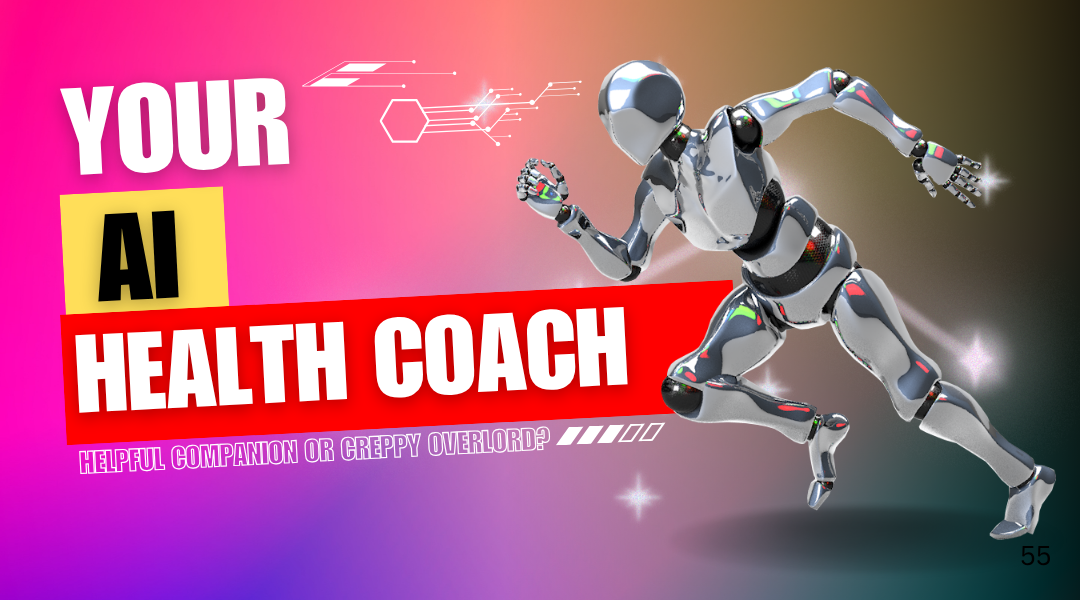
You know that moment when your phone buzzes with a “Time to stand!” alert after you’ve been doomscrolling for hours? That’s nothing. The next generation of virtual health assistants (VHAs) are about to get scary good at managing your wellbeing—whether you like it or not.
Meet Your New Health Nag (In a Good Way)
Imagine this:
- Your bathroom mirror flashes a warning about elevated heart rate while you brush your teeth
- Your car suggests alternate routes to avoid high-pollution zones that trigger your asthma
- Your fridge argues with you about that midnight snack (“Based on your glucose levels last night, maybe try the almonds instead?”)
This isn’t sci-fi—it’s already happening. Amazon’s Halo Rise doesn’t just track sleep; it analyzes breathing patterns to detect potential illness before symptoms appear. The Withings U-Scan toilet sensor (yes, really) monitors urine for metabolic changes. We’ve entered the era of ambient healthcare—where your environment becomes your doctor’s eyes and ears.
Why People Are Actually Using These Things
Beyond the novelty factor, these tools solve real headaches:
- Forgetful Patients: PillPack’s AI calls out med schedules like a verbal Post-it note
- Hypochondriacs: Apps like K Health offer symptom checking without the WebMD cancer scare
- Chronic Illness Warriors: Dexcom’s glucose monitoring talks directly to insulin pumps now
The magic happens when these systems stop being apps and fade into the background of daily life—like how your Nest thermostat learned your schedule.
The Dark Side of Always-On Health Surveillance
Before you welcome your new AI overlord, consider:
- Your Toilet Knows Too Much: That smart scale you bought? Its parent company just sold obesity trend data to a pharma firm
- False Alarms = Real Panic: When Fitbits started misreading heart rhythms, cardiologists got flooded with unnecessary ER visits
- The Empathy Gap: No algorithm can replace a human doctor’s intuition—yet some insurers are already pushing VHAs as “first-line care”
Who’s Getting It Right (And Who’s Not)
Winning:
- Woebot Health – Uses CBT techniques without making you feel like you’re talking to a robot
- Biofourmis’ Virtual Nurse – Actually reduces hospital readmissions by catching complications early
Losing:
- That Meditation App that shamed users for missing sessions (looking at you, Headspace)
- Voice Assistants that still can’t distinguish between “I have chest pain” and “I have Chex Mix”
The Future: Helpful Partner or Dystopian Nightmare?
The best VHAs will:
- Fade into the background (Good tech is invisible)
- Know when to call humans (Like how some fall detectors automatically alert emergency contacts)
- Resist monetizing your trauma (Unlike certain therapy apps selling user data)
The worst? They’ll become another health inequity divider—where the wealthy get AI concierge medicine while others get glorified chatbots.
Bottom Line: We’re not getting rid of these digital health buddies. The challenge is making them less like overbearing parents and more like that perceptive friend who notices you’re stressed before you do—then knows exactly how to help.