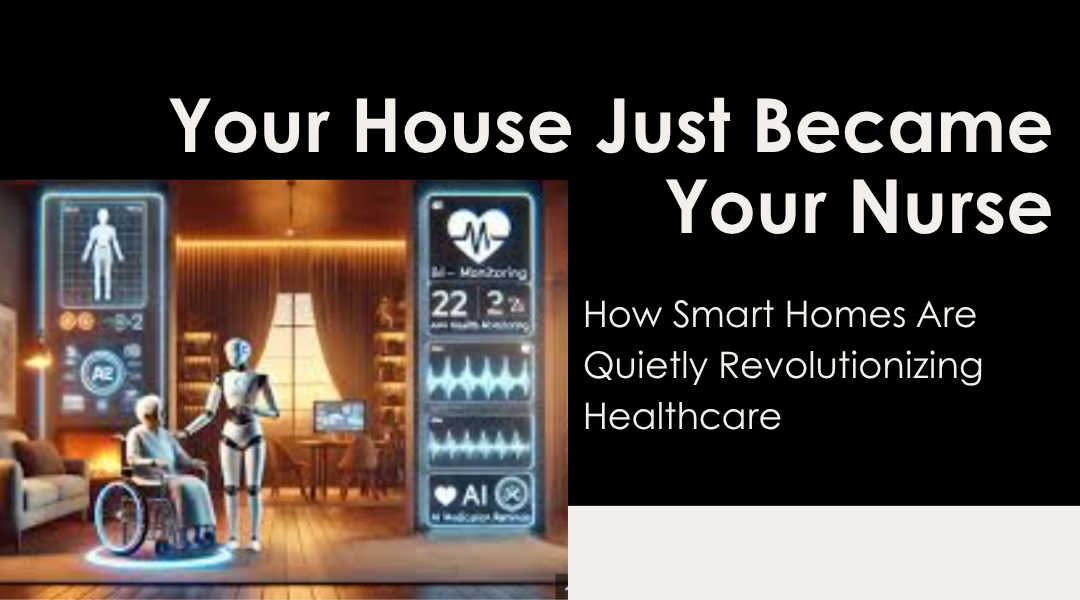
Picture this: Your bathroom mirror flashes a reminder to take your blood pressure medication while the shower automatically adjusts to a stress-relieving temperature. Downstairs, your fridge suggests a kidney-friendly snack based on yesterday’s lab results. This isn’t science fiction—it’s happening right now in homes across the world, turning ordinary living spaces into full-time health guardians.
From Sci-Fi to Reality: What Smart Health Homes Actually Do
Gone are the days when “smart home” meant clapping to turn on lights. Today’s health-integrated homes:
- Track vitals passively: That innocuous-looking sleep mat? It’s analyzing your heart rhythm. The bathroom scale? Now a congestive heart failure early warning system.
- Create healing environments: Smart lights that mimic sunrise for depression, air purifiers that kick in before asthma attacks strike
- Play medical secretary: Automatic prescription refills, telehealth room prep (adjusts lighting, mutes doorbell), and even dispute incorrect insurance claims
Real-world example: After his heart attack, 68-year-old Bob’s “recovery-enhanced” apartment:
- Bedside radar detects dangerous sleep apnea episodes
- Smart fridge locks when his sodium intake hits the limit
- Pill dispenser notifies his daughter if he misses medication
The Tech That Makes It Work
- The Invisible Nurses:
- Millimeter wave sensors (like those in self-driving cars) track breathing rate without wearables
- AI that learns your “normal” gait pattern to detect strokes or Parkinson’s early
- The Talking House:
- Voice assistants that don’t just play music—they recognize slurred speech as potential stroke symptoms
- Toilets with disease-detecting flush analysis (already FDA-approved for some conditions)
- The Always-On Clinic:
- Walls with thermal imaging to spot fevers
- Doorknobs that measure grip strength (early indicator of numerous conditions)
Why This Changes Everything
- For chronic illness management: Diabetics’ homes now adjust thermostat settings based on glucose levels (temperature affects insulin sensitivity)
- For aging in place: 87-year-old Margaret’s system detected a UTI from subtle bathroom habit changes days before symptoms appeared
- For mental health: Some homes now use emotion recognition to suggest mood-boosting activities when depression patterns emerge
The Creepy Factor (And How We’re Solving It)
Yes, it feels weird when your toilet knows you’re sick before you do. Developers are tackling the “Big Brother” problem by:
- Giving users granular control over what’s monitored
- Implementing “health blackout” periods
- Using edge computing to keep sensitive data local
What’s Holding Us Back
- The “Tower of Babel” problem: Your Withings scale won’t talk to your Abbott glucose monitor
- False alarms: One system mistook passionate karaoke for cardiac distress (triggering an EMS alert)
- The grandma factor: Overly complex interfaces leave many seniors frustrated
Coming Soon to a Home Near You
- Refrigerators that auto-order medically tailored meals
- Walls with built-in fall-detection radar (no wearables needed)
- “Health mode” that temporarily converts your living room into a physical therapy studio
The Bottom Line
As a doctor friend told me: “We’re moving from ‘sick care’ to true healthcare—where your living space becomes your first line of defense.” The home of the future won’t just be smart—it’ll be downright caring. Just don’t be surprised when your house scolds you for skipping vegetables… again.
The revolution isn’t coming—it’s already sitting in your living room, quietly watching over your health between Netflix binges. The question is: Are we ready to let our homes take care of us the way we’ve always cared for them?