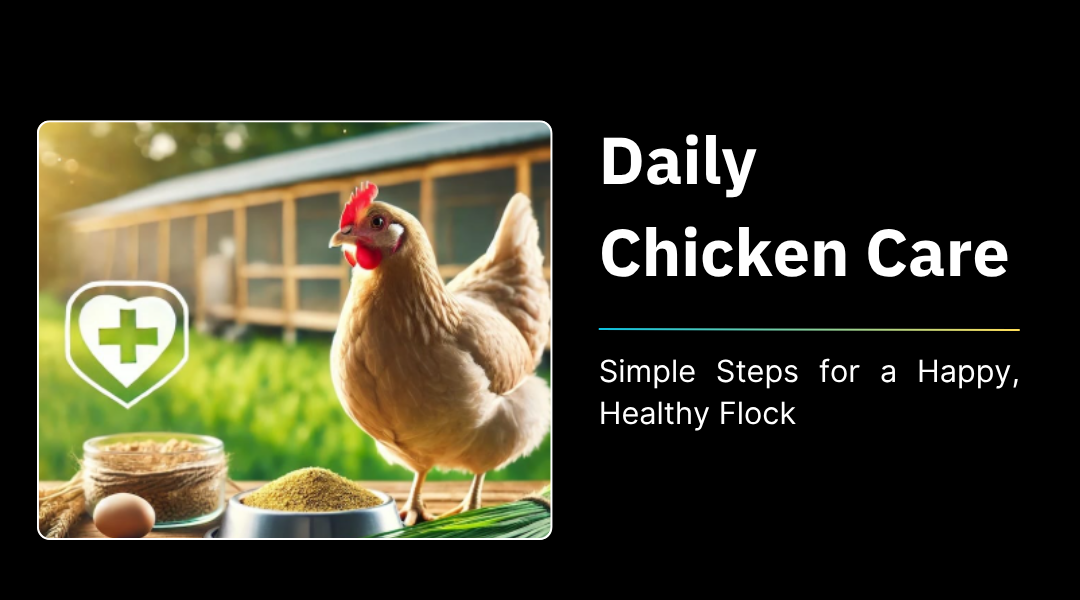
There’s something peaceful about stepping into the coop at dawn, greeted by the soft murmurs of your chickens as they stretch their wings and shuffle toward you, eager for breakfast. Feeding them isn’t just a chore—it’s a quiet moment of connection, a daily rhythm that keeps both you and your flock in sync.
Why Routine Matters
Chickens thrive on predictability. A steady feeding schedule keeps their digestion smooth, energy levels stable, and egg production consistent. Skip a meal or feed at erratic times, and you’ll notice the difference—fewer eggs, restless birds, or even squabbles over food.
Most keepers split feedings into two main meals:
- Morning: A hearty portion shortly after sunrise, when chickens are most active.
- Evening: A lighter top-up before roosting to keep them fueled overnight.
Aim for about ¼ cup of feed per bird daily, adjusting based on appetite, weather, and egg output. Leftovers mean you’re overdoing it; empty dishes and dropped production signal it’s time to bump up portions.
Life gets busy, though. If mornings are chaotic, consider an automatic feeder—it’s a game-changer for keeping meals on track without rushing.
1. Feeding Right: More Than Just Chicken Scratch
Crack open a bag of quality feed, and you’ll smell the difference—nutty, fresh, packed with what your flock needs. Chickens aren’t picky, but their bodies demand balance:
- Protein (16-20% for layers) for feathers and eggs.
- Calcium (like crushed oyster shell) for strong eggshells.
- Grains and greens for energy and variety.
Life-stage feeds matter:
- Starter feed (high protein) for chicks.
- Grower feed (moderate protein) for teens.
- Layer feed (calcium-rich) for hens.
Treats? In moderation. A handful of mealworms or veggie scraps is fine, but too many disrupt their nutrition. Think of it like dessert—fun, but not the main course.
Pro tip: Store feed in airtight bins to keep out pests and moisture. Stale feed loses nutrients fast.
2. Water: The Secret to a Thriving Flock
Ever seen a chicken panting in the heat? They gulp water like it’s their job—because it is. Water aids digestion, regulates body temp, and keeps eggs coming.
Keep it clean:
- Scrub waterers every other day to slime and algae.
- In winter, use a heated base to prevent freezing.
- In summer, add ice cubes or swap water twice daily to keep it cool.
Choose the right system:
- Traditional troughs work but get dirty fast.
- Nipple drinkers stay cleaner but need occasional checks for clogs.
Dehydration hits hard—fewer eggs, lethargy, even illness. Make water access effortless.
3. Seasonal Adjustments: Keeping Comfort Year-Round
Winter:
- Boost calories with extra grains before bedtime (digestion = warmth).
- Prevent frostbite by ensuring dry bedding and ventilation.
- A light on a timer can trick hens into laying during short days.
Summer:
- Shade is non-negotiable. A tarp or tree cover helps.
- Frozen peas in water or a kiddie pool for wading cools overheated birds.
- Watch for panting or wings held out—signs they’re too hot.
Final Tip: Listen to Your Flock
Chickens communicate. If eggs dwindle, feathers look dull, or they’re pecking at odd things (like paint or dirt), something’s off. Often, it’s diet, water, or stress.
Consistency is key, but so is flexibility. Adjust portions in cold snaps, swap treats seasonally, and always—always—keep their water fresh.
A well-cared-for flock repays you tenfold: glossy feathers, steady eggs, and the kind of lively chatter that makes the coop feel alive. And really, isn’t that the whole point?