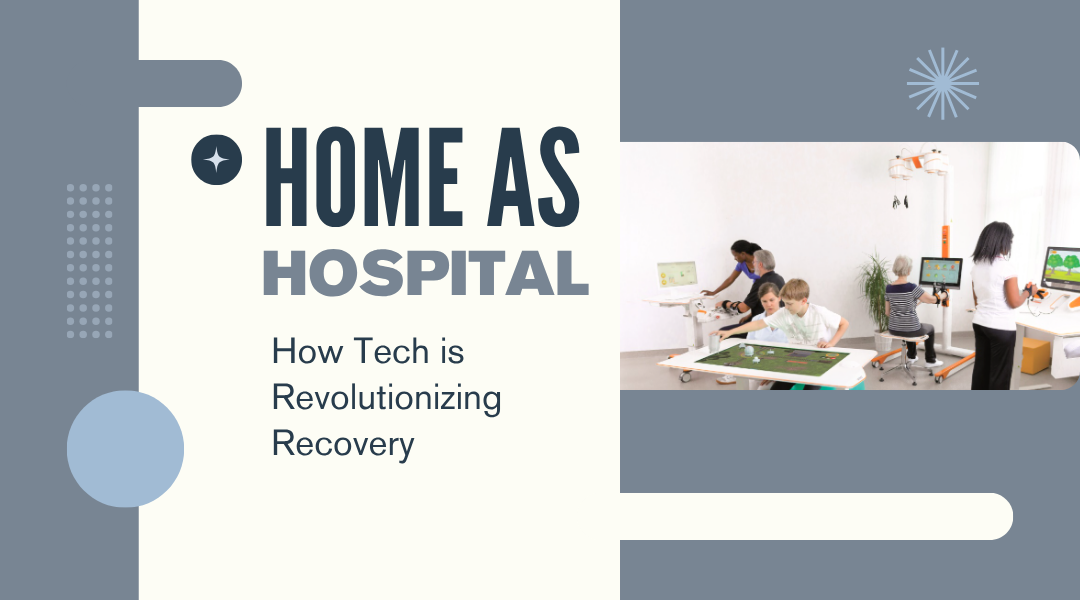
An individual – John winced as he shuffled to his fridge six hours after knee replacement surgery – then froze when his smartwatch vibrated with a warning: “Elevated heart rate detected. Consider resting before continuing.” This wasn’t some distant future scenario. Last Tuesday, this was John’s reality.
The New House Call: Sensors Instead of Stethoscopes
Gone are the days when post-op care meant being stranded in a noisy hospital ward. John’s recovery looked different:
- His smart mattress adjusted firmness when it sensed tossing and turning
- Motion sensors on his coffee table reminded him not to twist his new knee when reaching for pain meds
- AR glasses projected his physical therapist’s avatar demonstrating exercises in his living room
“At first it felt like living in a sci-fi movie,” John admits. “By week two, I forgot the tech was there – it just became part of healing.”
How Smart Homes Are Outperforming Hospitals
1. The 24/7 Monitoring Advantage
While nurses check vitals every few hours, John’s:
- Whoop band tracked inflammatory markers through skin conductivity
- Smart pillbox alerted his care team when he missed a dose
- Voice assistant noticed speech patterns suggesting depression risk
2. Rehab Gets a Tech Makeover
Traditional physical therapy relies on memory and handwritten logs. John’s:
- Tempo motion sensors gave real-time form corrections (“Lift your heel 2 more inches”)
- Hinge Health’s AR turned exercises into interactive games
- Recovery dashboard showed muscle regeneration through ultrasound wearables
3. When Tech Plays Nurse
John’s virtual assistant “Clara” did more than schedule appointments:
- Noticed his restless nights and adjusted pain med timing with his surgeon
- Detected abnormal swelling patterns through bathroom mirror sensors
- Ordered groceries when his nutrition app noted poor protein intake
The Human Touch in Digital Recovery
For all the tech, key moments still relied on people:
- His surgeon did virtual rounds via Zoom-enabled smart display
- A real therapist reviewed his motion data weekly to adjust exercises
- His neighbor (a retired nurse) got emergency alerts when sensors detected falls
“The tech didn’t replace humans,” John notes. “It helped the right humans intervene at the perfect time.”
Not All Roses and Robots
The system had hiccups:
- $300/month in additional internet bandwidth for all the devices
- False alarms when his cat triggered motion sensors at 3 AM
- Data anxiety about who could access his recovery metrics
And the elephant in the room: Most insurance won’t cover this tech…yet. John paid $2,800 out-of-pocket for the 6-week system rental.
Why This Matters Beyond John
Hospitals are realizing:
- At-home patients have 23% lower infection rates (Mayo Clinic data)
- Digital recovery costs 40% less than inpatient rehab
- Satisfaction scores double when patients recover in familiar environments
The model’s spreading:
- Kaiser Permanente now sends joint replacement patients home with “recovery kits”
- Veterans Affairs uses similar tech for PTSD home monitoring
- Startups like RecoveryOne are franchising the tech-assisted rehab model
The Future of Healing at Home
Next-gen upgrades in testing:
- “Smart stitches” that monitor wound healing
- Fridge cams that track nutritional intake via AI
- VR pain management that reduces opioid needs